
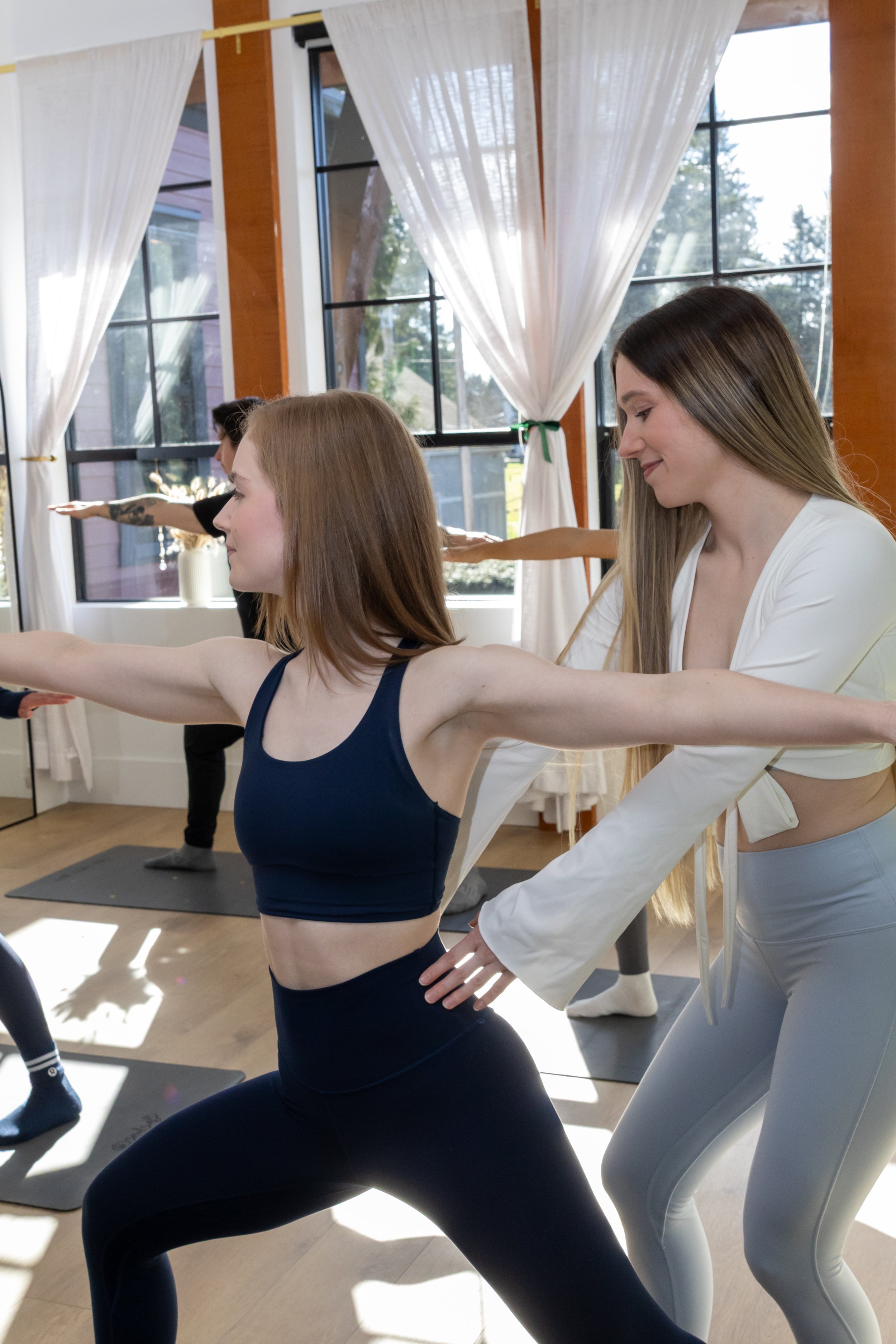
Functional Anatomy
Teacher
Sydney Mayer
Hours
15 hours
Categories
Anatomy
Tuition
$350 CAD + gst
Functional Anatomy bridges the gap between anatomy textbooks and what actually happens in a yoga or fitness class. This course explores the essential principles of anatomy, biomechanics and human movement through a practical, modern and movement-focused lens.
Rather than memorizing muscles in isolation or teaching one “correct” way to move, you’ll learn how the body works as an interconnected system, and how factors such as structure, mobility, strength, load, experience and individual variability influence the way real people move. Through movement exploration, real-world examples and applied teaching scenarios, you’ll develop the skills to observe movement, understand its demands and make informed decisions when selecting exercises, building sequences and offering options.
With pain-free performance in mind, this course challenges outdated rules, fear-based language and one-size-fits-all alignment cues. You’ll learn to teach with greater clarity and adaptability while respecting the scope of a movement professional.
The goal is not to diagnose or “fix” bodies, but to create thoughtful classes that help more people move with confidence, build capacity and experience movement that feels supportive, effective and sustainable.
Key Topics:
Anatomy
Biomechanics
Mobility
Strength, load
Individual variability
Application to fitness and yoga exercises
Modern cueing
Course Learning Outcomes:
Understand the structure and function of the human skeletal system, including the major bones and their roles in supporting the body during fitness exercises.
Identify different types of joints in the body and how their range of motion influences exercises.
Learn the biomechanics and modern mobility science and how that can be applied to group classes.
Apply anatomical knowledge to optimize group fitness practices, ensuring safe and effective movement patterns that support overall well-being.
Ability to guide students in cultivating a deeper understanding of anatomy and mobility and its significance in the fitness industry.
Included with Course:
15 hours of lecture, discussion & application
Course Manual
Course Certificate & 15 Hours CE Credits
Access to the Exclusive Mind & Move Trainers Hub
Invite to all Mind & Move events, activations and community get togethers
Registration
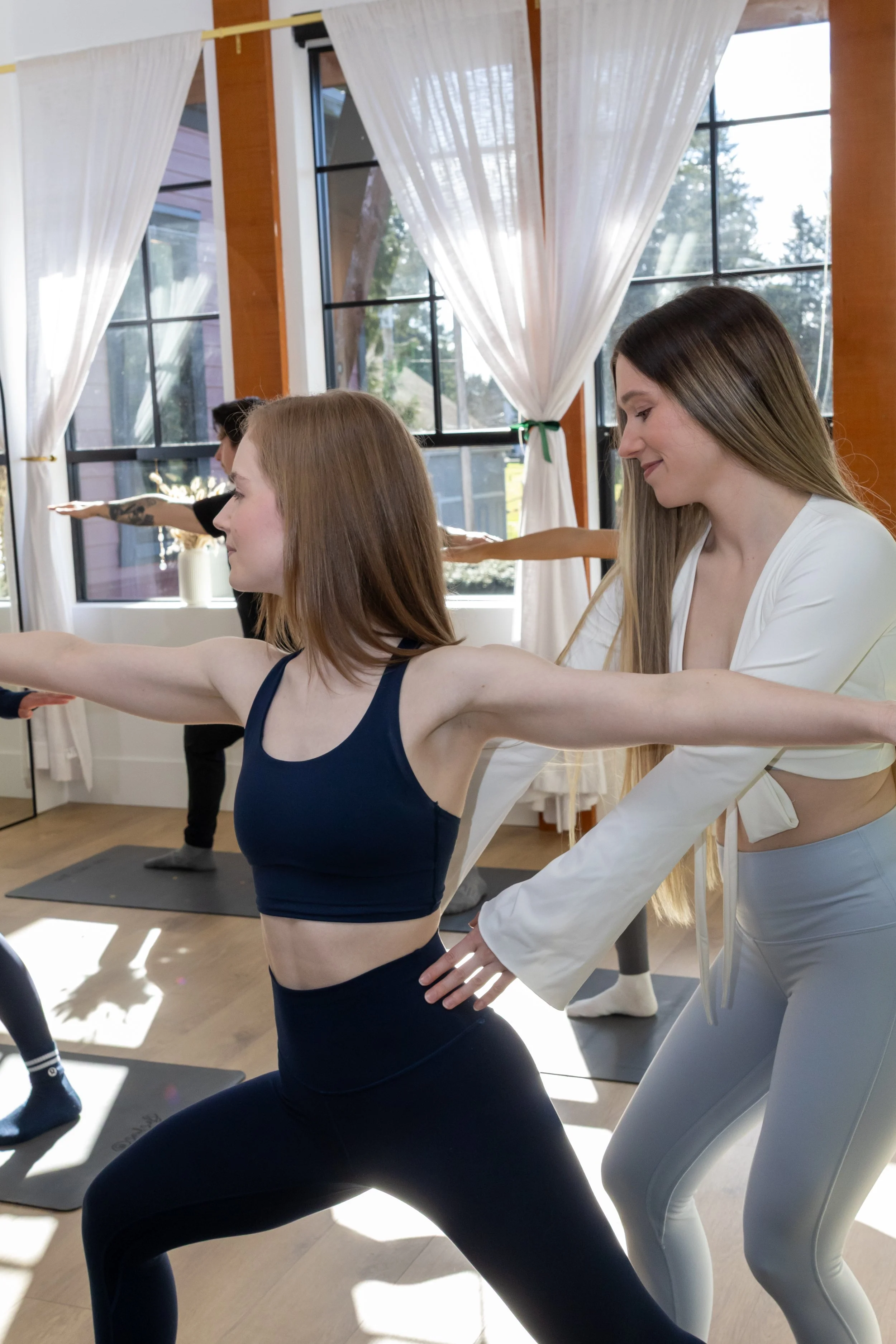
15 Hour In-Person Functional Anatomy Course
Course Dates 2026: To Be Scheduled